The story that rocked the world: Ten years of the Panama Papers, part 1

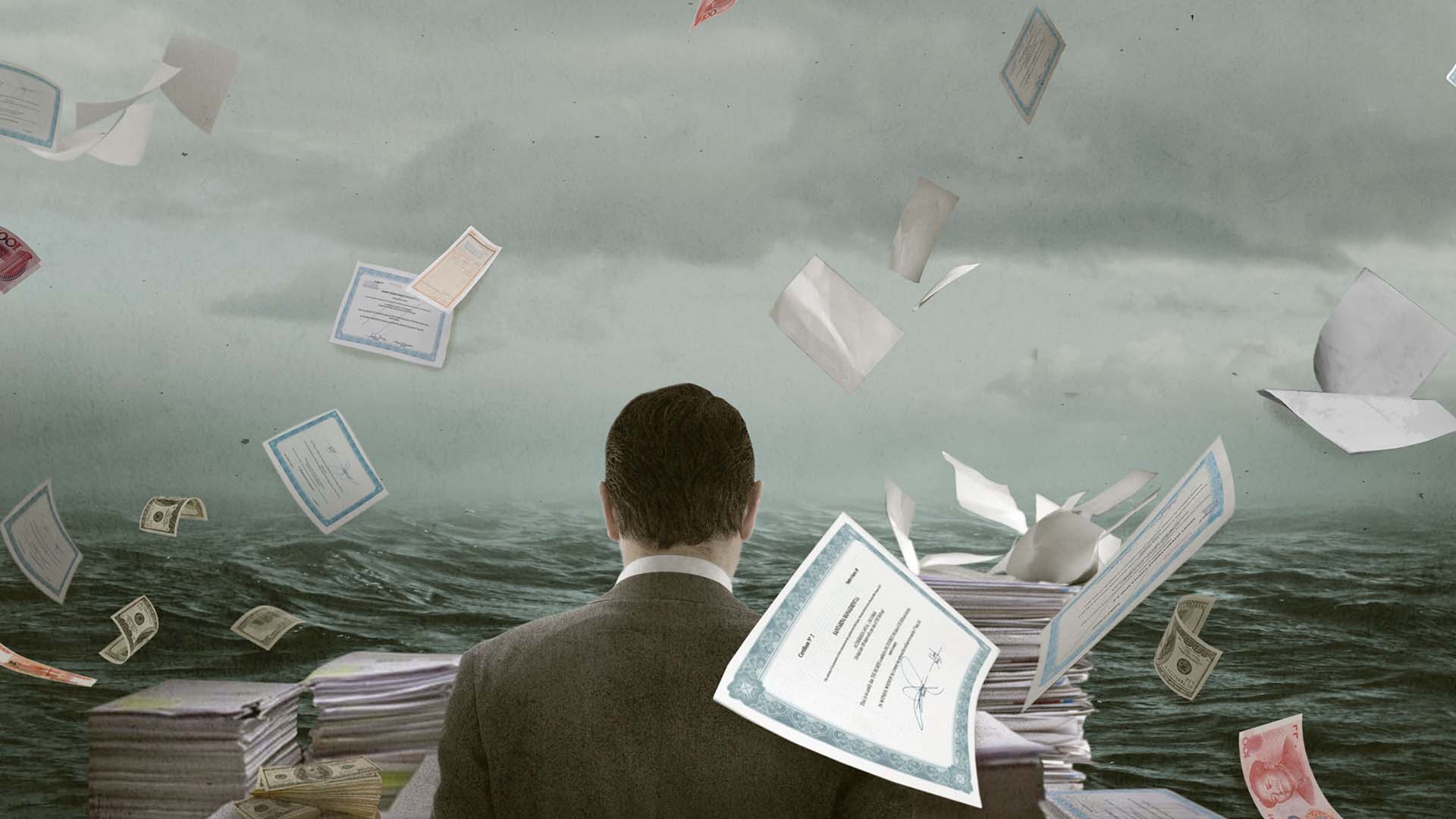
A decade ago, the biggest network for journalists ever assembled set out to investigate a system built to stay hidden.
What they uncovered became the Panama Papers, a sweeping investigation that broke open the secretive world of finance and exposed how the rich and powerful use offshore structures to protect wealth and dodge scrutiny.
The global project broke the model for investigative journalism. It built on years of pioneering collaborative projects by the International Consortium of Investigative Journalists and exploded into the mainstream as the best new way for journalists to take on systems that no single newsroom could unravel alone.
This series explores how it all came together, drawing on the recollections of the journalists whose reporting sparked a global reckoning over financial secrecy and its consequences. Check back for parts two and three, to be published in the coming days.
The beginning
Bastian Obermayer (Germany)
Then: Investigative reporter, Süddeutsche Zeitung | Now: Co-founder and director, Paper Trail Media
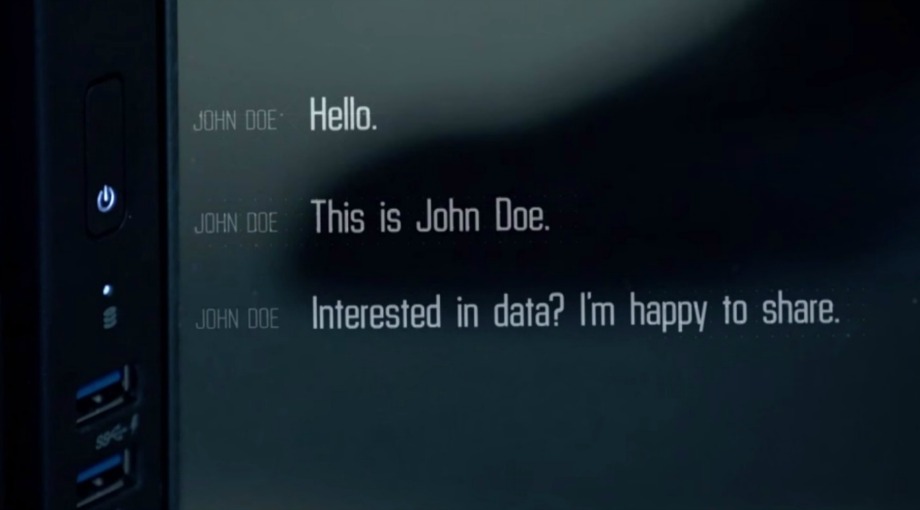
Before the world learned how a Panamanian law firm sold secrecy to prime ministers, billionaires and criminals, a German reporter opened a message that would spark a global reckoning: “Hello. This is John Doe. Interested in data?”
“I thought, ‘That’s really interesting,’” the reporter, Bastian Obermayer, recalled a decade later. “And then I went back and changed the sheets because my son had thrown up again.”
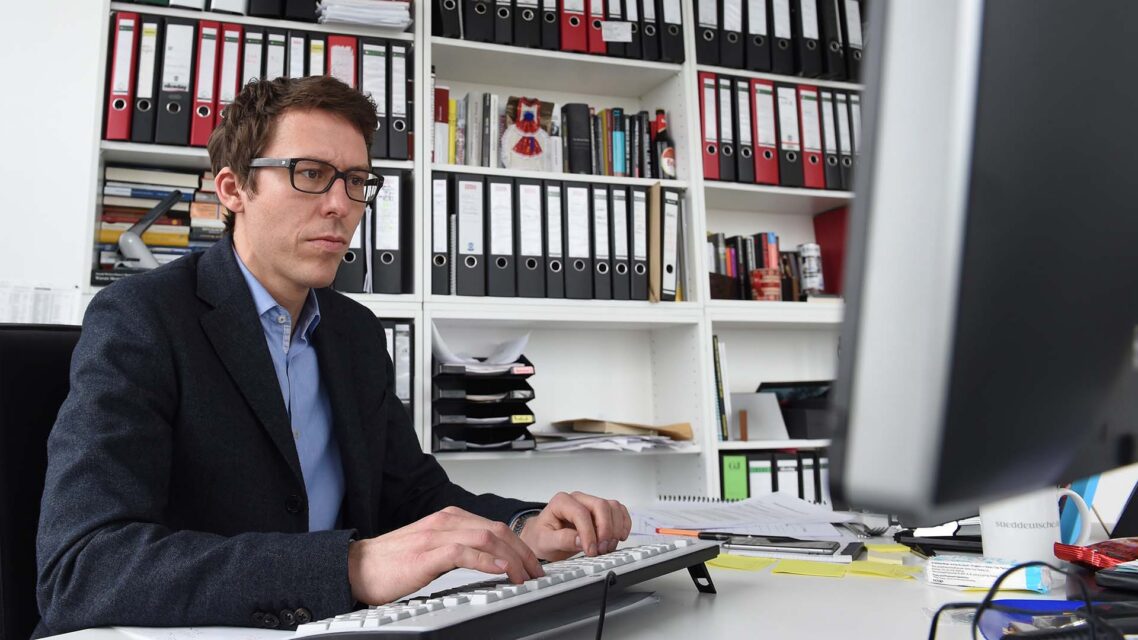
German journalist Bastian Obermayer at his desk in April 2016. Image: Christof Stache/AFP via Getty Images
Obermayer’s family — everyone but him — had taken ill, and he’d been balancing his work at Süddeutsche Zeitung with trips to the pharmacy.
The sender was cautious and direct. He insisted on encrypted communication, rejected any face-to-face meetings and warned that disclosure of his identity would endanger his life.
Obermayer agreed to the terms and soon had a cache of internal records from Mossack Fonseca, a Panamanian law firm known for shell companies.
The material would become part of what the world would come to know as the Panama Papers — 11.5 million confidential documents exposing the offshore financial dealings of politicians, billionaires and world leaders.
There were emails, memos, contracts, spreadsheets and more — enough to map the inner workings of a shadow financial system that regulators and journalists had long suspected and occasionally glimpsed but had never seen documented at such scale or in such granular detail.
They were clearly internal documents, and this John Doe said he had access to more — “more than anything you have ever seen,” he’d promised Obermayer.
The next thing Obermayer did was message his friend and Süddeutsche Zeitung colleague Frederik Obermaier (no relation). Obermaier was on paternity leave but agreed to meet.
“I could already hear the excitement from the first sentence,” Obermaier said. He needed no more convincing.
“I was already in,” he recalled. “Pretty soon we realized this is bigger than everything that we have ever done.”
They realized, too, that it was too big to keep to themselves.
Both had worked on previous ICIJ investigations and they knew what its model made possible: cross-border reporting at a scale no single newsroom could pull off.
They knew, too, that this wasn’t only a German story. It was a global one.
“International stuff is the coolest thing you can do in journalism,” Obermayer said. “When we got the documents, we instantly thought this might be our chance to get the ICIJ to do a project we actually started.”.
It wouldn’t be easy.
First, they had to win over their own newsroom, including colleagues who wanted Süddeutsche Zeitung to keep the scoop for itself. But soon enough, their editor Wolfgang Krach was all in.
Then they had to take the project to ICIJ, which had already built a reputation for global investigations about offshore finance. But the bar for embarking on yet another tax-haven project for ICIJ was high, and its resources were already stretched thin across back-to-back investigations into tax avoidance and private banking.
"wp-caption alignnone">  Gerard Ryle being interviewed in April 2016 at ICIJ’s Washington, D.C. offices in the wake of the Panama Papers.
Image: Jim Watson/AFP via Getty Images
Ryle returned to his hotel and kept testing hunches, running various names through the new data set.
“For this to be exciting, it needed to be bigger and better than the investigations we’ve done before,” he said.
Early searches uncovered some potential subjects for investigation, including a Russian mafia boss and even the leader of a small European nation. But at that moment, all he had were fragments — names in emails and transactions on spreadsheets, connections that hinted at something enormous.
John Doe began sending more and more documents. Before he was through, he’d send 11.5 million of them — enough to map the hidden architecture of the offshore world.
But having the data isn’t the same thing as building a project.
For that, Ryle would need a team.
He approached The Guardian and the BBC first. Securing major news organizations early would make it easier to bring in others — and he would need dozens, maybe hundreds.
He faced pushback from Guardian editors who thought ICIJ had already done the definitive stories on offshore tax havens and this would be more of the same. But Ryle knew this was different — in scale and in names. This investigation would reach into the highest levels of power.
By the end of their lunch at London’s Frontline Club, The Guardian and the BBC were onboard.
Now he needed an American outlet — one with reach and investigative chops.

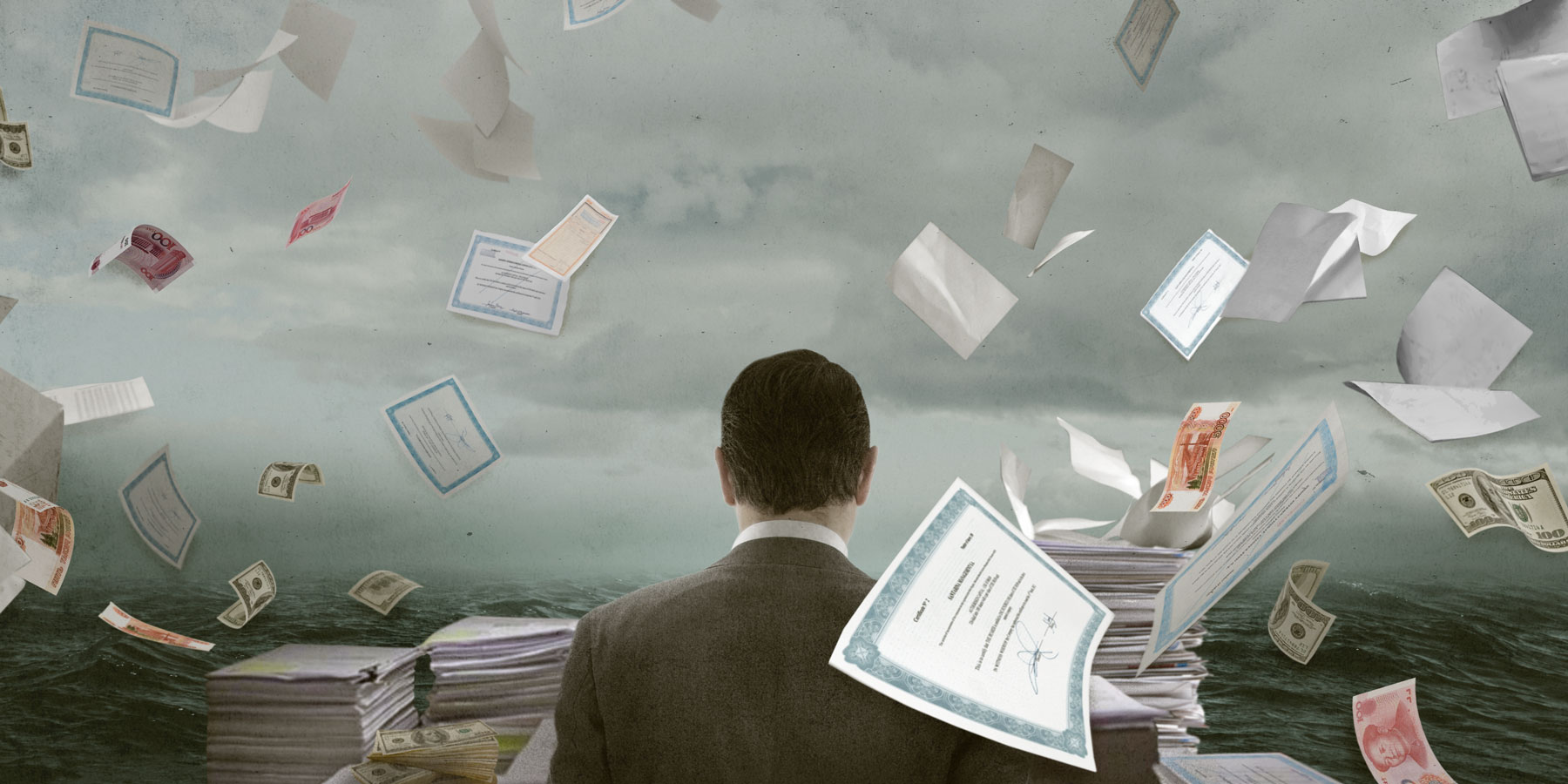
https://www.icij.org/investigations/panama-papers/pop-culture-panama-papers-music/
IMPACT How the Panama Papers rocked pop culture Apr 03, 2023
https://www.icij.org/investigations/panama-papers/20160403-panama-papers-global-overview/
Recommended reading IMPACT How the Panama Papers rocked pop culture Apr 03, 2023 Mossack Fonseca Giant Leak of Offshore Financial Records Exposes Global Array of Crime and Corruption Apr 03, 2016 IMPACT Hundreds of millions more dollars recouped by governments after ICIJ investigations Apr 03, 2025