Lowering doses of cancer drugs could slash global health spending by $30B, new research shows

New studies presented at the American Society of Clinical Oncology’s annual conference suggest that reducing the dosage of anti-cancer medicines — including Keytruda, the world’s bestselling drug — could drastically cut global health costs by billions of dollars a year and improve access for patients.
The U.S. Food and Drug Administration approved the initial dosage of Keytruda in 2014 based on a patient’s body weight, at 2 milligrams per kilogram. But Merck & Co., the maker of the drug, later changed to a fixed dosage with the FDA’s approval. Now Merck recommends 200 mg every three weeks or 400 mg every six weeks, regardless of the patient’s weight.
The studies discussed last week at the ASCO conference in Chicago, however, indicate that patients are receiving more of Keytruda and similar cancer drugs than necessary, which dramatically pushes up consumer costs and corporate profits — and that smaller doses work just as well. One study estimated the savings at more than $30 billion annually.
We found that by lowering the dose, we can expand access by 50 to 60%.
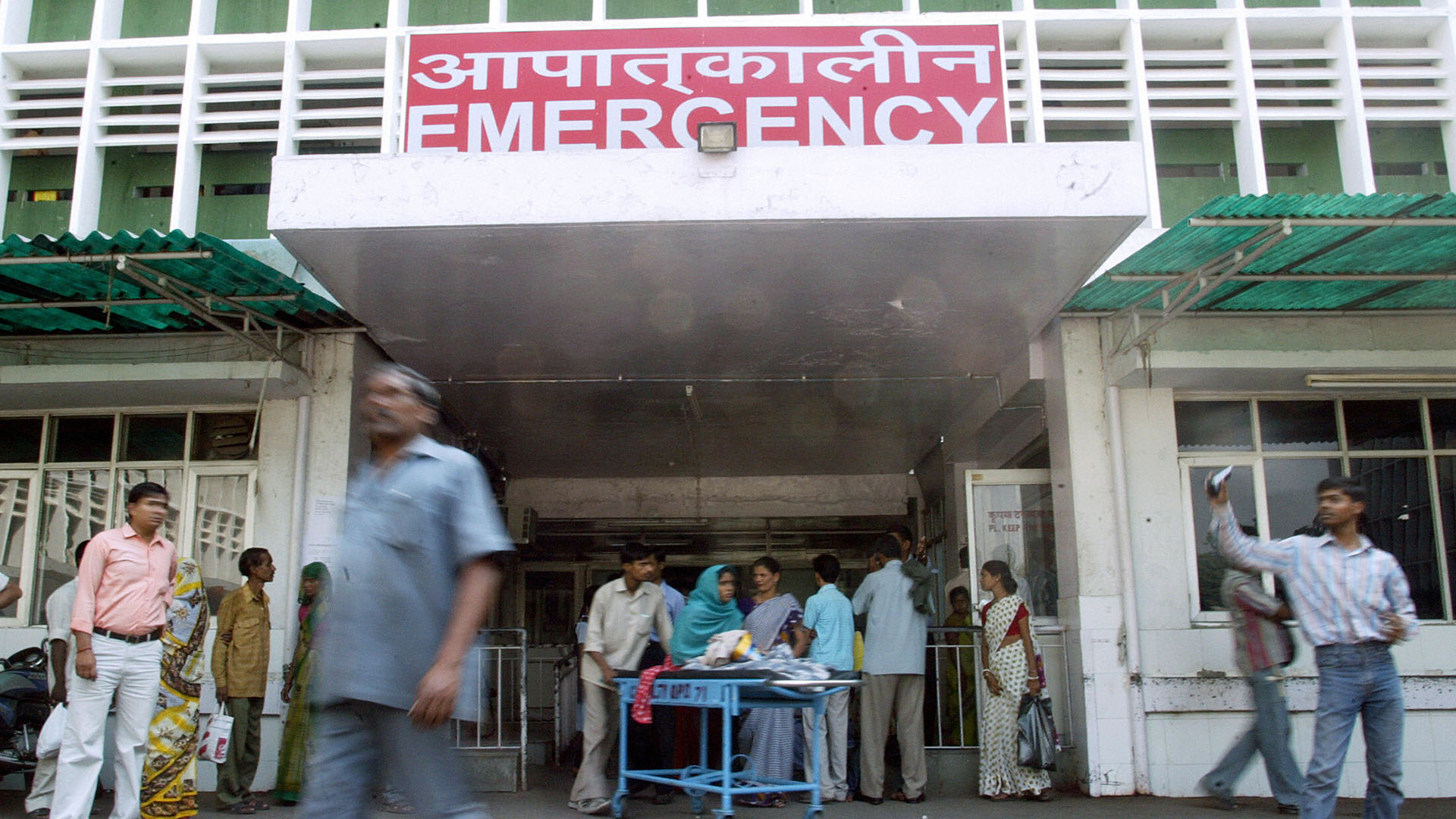
— Kumar Prabhash, oncologist at Tata Memorial Hospital in Mumbai.
Merck disagrees with that finding, saying in a statement to ICIJ that the FDA-approved doses “are based upon wide-ranging preclinical data and extensive clinical evidence.”
Meanwhile, an official from the U.S. Department of Health and Human Services told ICIJ that the agency supports scaling back cancer treatments if evidence shows it is safe to do so. Emily G. Hilliard, the agency’s senior press secretary, said the FDA “will continue to work with oncologic drug developers to determine the appropriate dosages that are safe and effective for patients.”
“[The National Cancer Institute] supports efforts to de-escalate cancer therapies when the evidence shows that fewer drugs or lower doses can be administered safely and effectively,” Hilliard said in a statement. “Receiving less treatment while maintaining efficacy can improve a patient’s quality of life, lower costs, require fewer clinic visits, and, most importantly, reduce treatment-related toxicity. Our goal is to ensure patients receive the most effective treatment with the fewest possible side effects.”
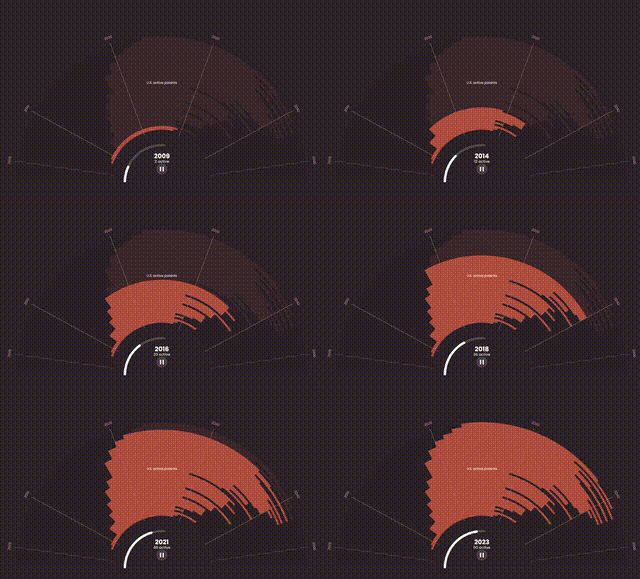
The Cancer Calculus, an investigation by ICIJ and 47 media partners published in April, shows how Merck has kept the price of the lifesaving drug sky-high by building a fortress of patents to deter competition and through opaque pricing. In the U.S., for example, a 200 mg dose of Keytruda costs $12,000, according to an ICIJ analysis.

https://www.icij.org/investigations/cancer-calculus/merck-keytruda-cancer-drug-price/
https://www.icij.org/investigations/cancer-calculus/keytruda-evergreening-patents-merck/
INTERACTIVE How Merck uses patents to help maintain Keytruda’s exorbitant price Apr 13, 2026
Recommended reading OVERVIEW How Merck turned its wonder drug into a blockbuster — and priced out cancer patients worldwide Apr 13, 2026 INTERACTIVE How Merck uses patents to help maintain Keytruda’s exorbitant price Apr 13, 2026 COUNTERFEITS Mexico seizes suspicious Keytruda in raid to dismantle counterfeit medication ring Jun 04, 2026
more affordable treatment strategies.
The findings at the conference, she said, “will give us the strength to persist and request our [Ministry of Health] and the national health council to proceed for less dose and to sponsor it and support it.”
Editor’s note: Arnold Ventures has been a funder of ICIJ. Funders have no involvement in ICIJ’s editorial decisions.