Big fines and settlements barely dent cancer drugmakers’ revenues, fail to deter wrongdoing

The two girls grew up five blocks apart in Mdantsane township, South Africa, and they were only distant friends until cancer pulled them together many years later. Babalwa Malgas, then 35, had just opened her law office when she learned she had breast cancer. Two years later, her neighbor Tobeka Daki received the same diagnosis. Both were single moms with two boys, and they bonded over their new, shared disease. Malgas said they talked about the “challenges of dating new people — how to explain, whether to disclose prior or not. The common interest of not wanting reconstruction. Fears of leaving our children.”
In 2013, Daki’s oncologist told her she needed a mastectomy, chemotherapy and Herceptin, a cancer drug produced by the Swiss company Roche, to improve her chances of survival. But because of the cost, she couldn’t afford the medication.
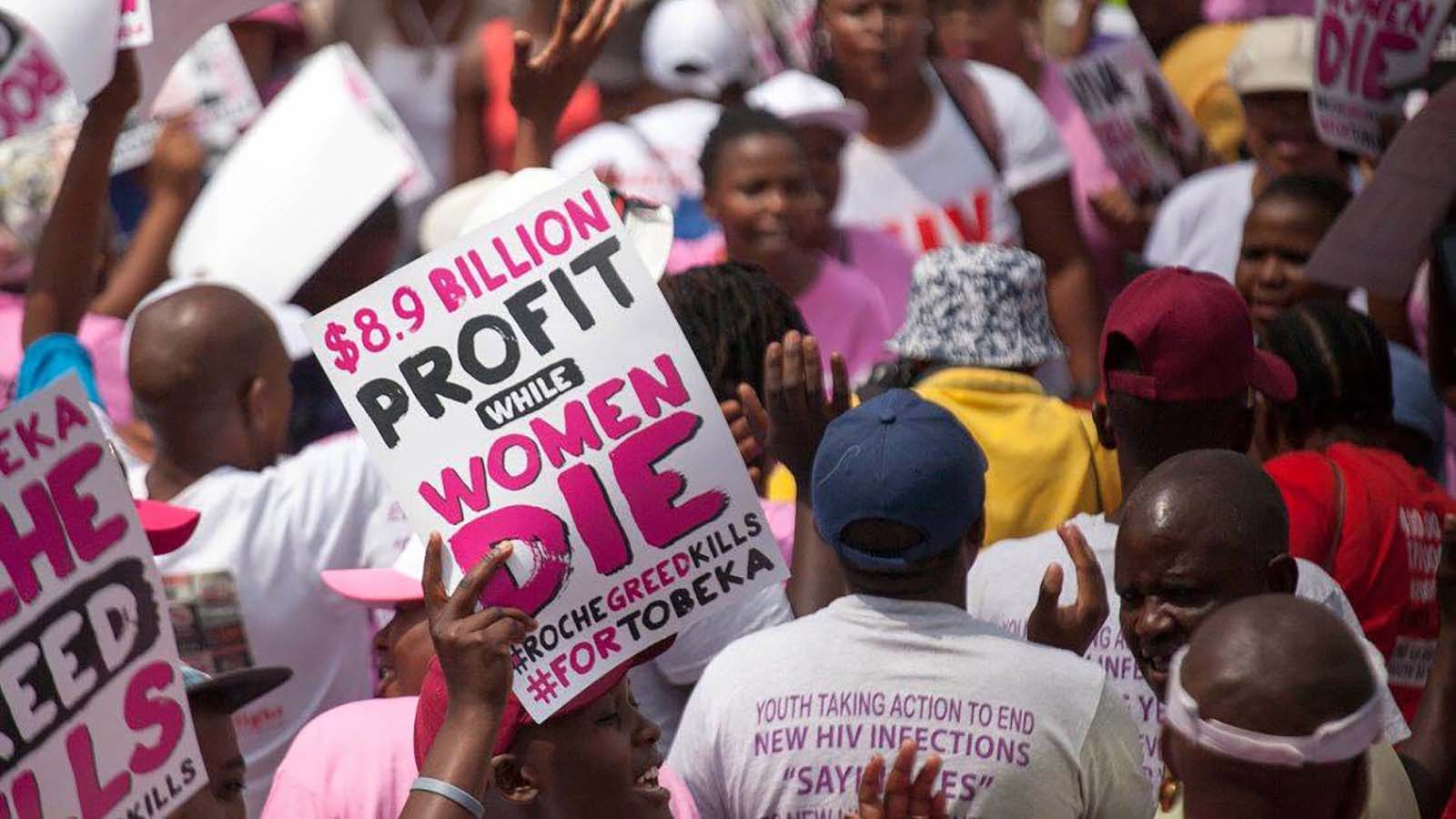
As Malgas explained, the two became “sisters” in a campaign against the high cost of cancer medicines. Their yearslong fight brought together various nonprofit advocacy groups that ramped up pressure on the government and Roche to reform patent laws. They picketed outside Roche’s Johannesburg office, demanding the company drop the price of Herceptin, which by 2016 cost around $36,000 for a year’s supply, about four times South Africa’s average household income.
Daki’s cancer eventually spread to her spine, and the 49-year-old health club receptionist died at home in November 2016. Malgas left court early that day to see her friend. “But I was 30 minutes late,” she said.
Daki’s death inspired Malgas and other activists to continue pushing for equitable medical treatment and healthcare justice. Their campaign triggered a government probe into alleged excessive pricing of Herceptin.
“Our slogan was: My cancer, your profit,” said Malgas, whose own cancer returned in the midst of their campaign. “We learned of greed from Roche.” But she said their struggle went beyond Roche.
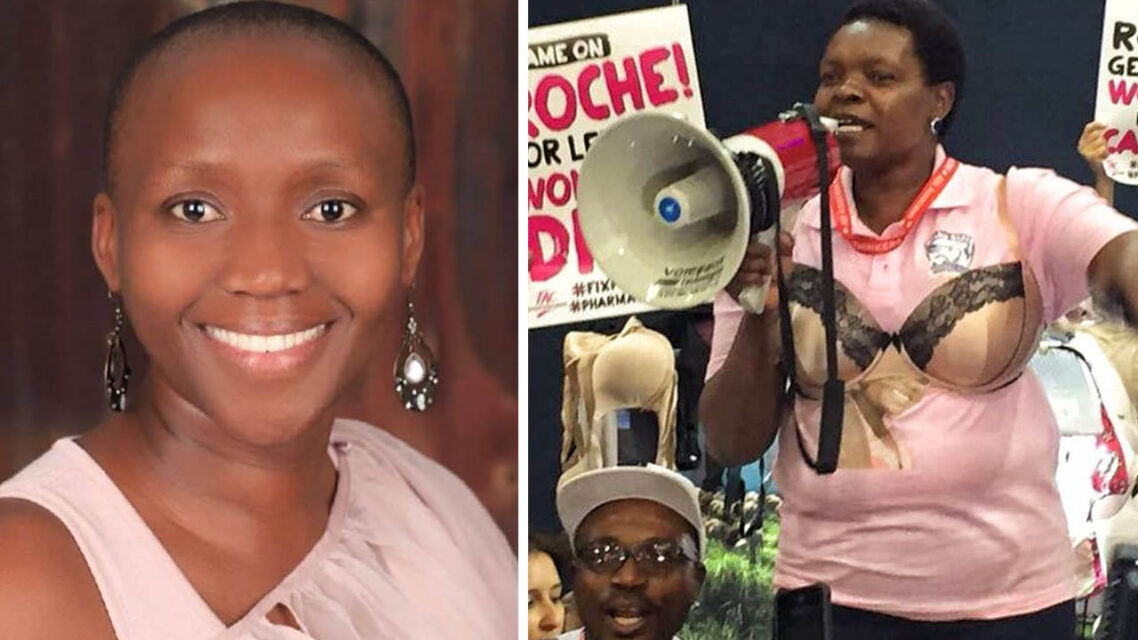
Babalwa Malgas, left, and Tobeka Daki, right, became “sisters” in a campaign to fight for more affordable access to cancer drugs. Image: Supplied; Treatment Action Campaign
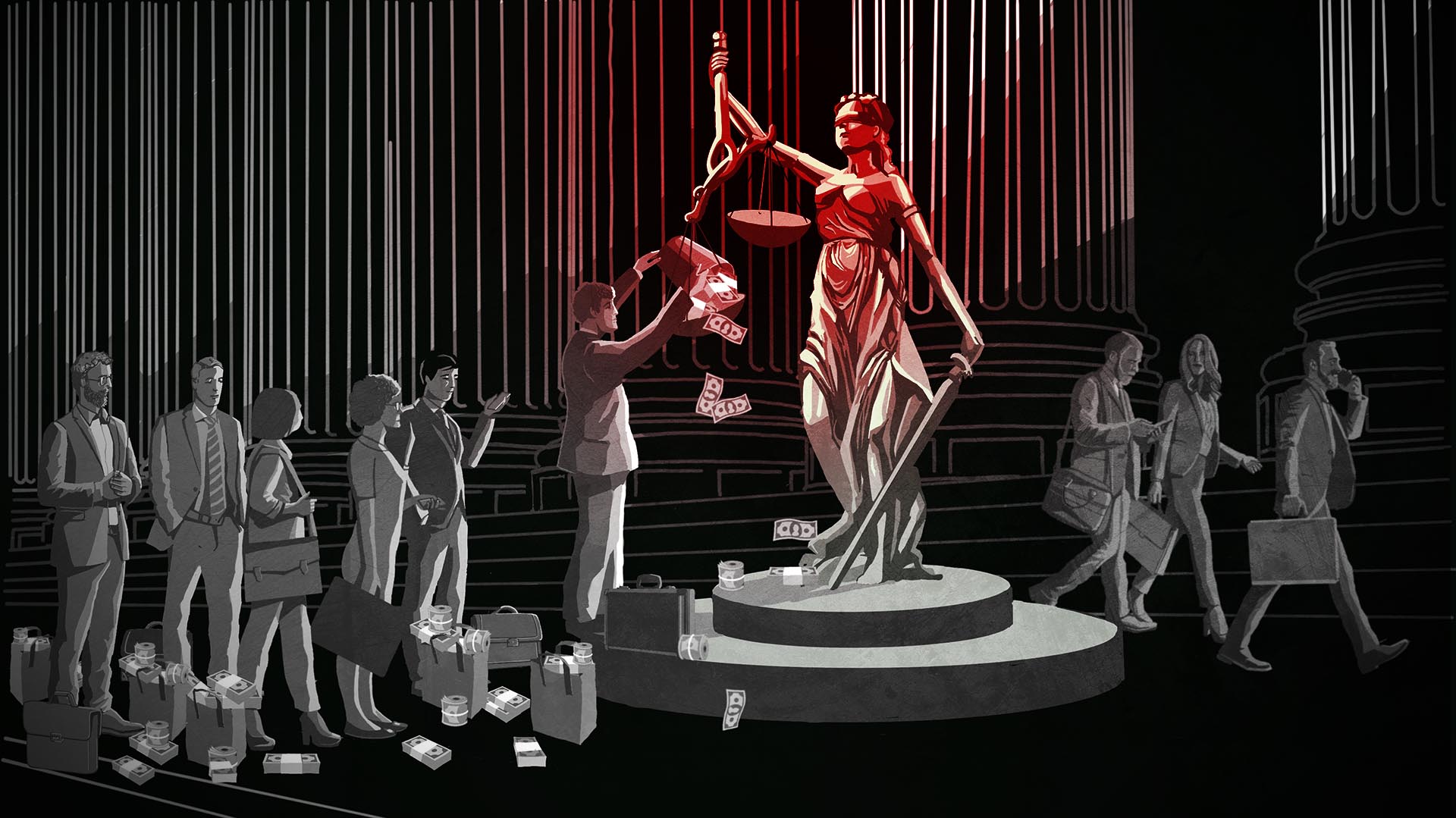
For many decades, companies making cancer drugs have exploited ethically dubious practices that have generated great fortunes for shareholders but sometimes priced out patients who desperately need the medicines. Now a review of enforcement actions around the world by the International Consortium of Investigative Journalists highlights yet another manifestation of a broken global healthcare system: Some cancer drugmakers face allegations of wrongdoing — again and again — and are not deterred when they have to pay fines or large settlement payments.
Further adding to the industry’s generally wretched reputation, cancer drugmakers have sometimes crossed the line with such documented practices as exploiting the patent system to stifle competition, promoting higher dosages than necessary, taking advantage of industry regulatory shortcuts, and breaching criminal or civil statutes. That’s yet another fallout that can affect patients and raise the expenses of taxpayers and healthcare systems.
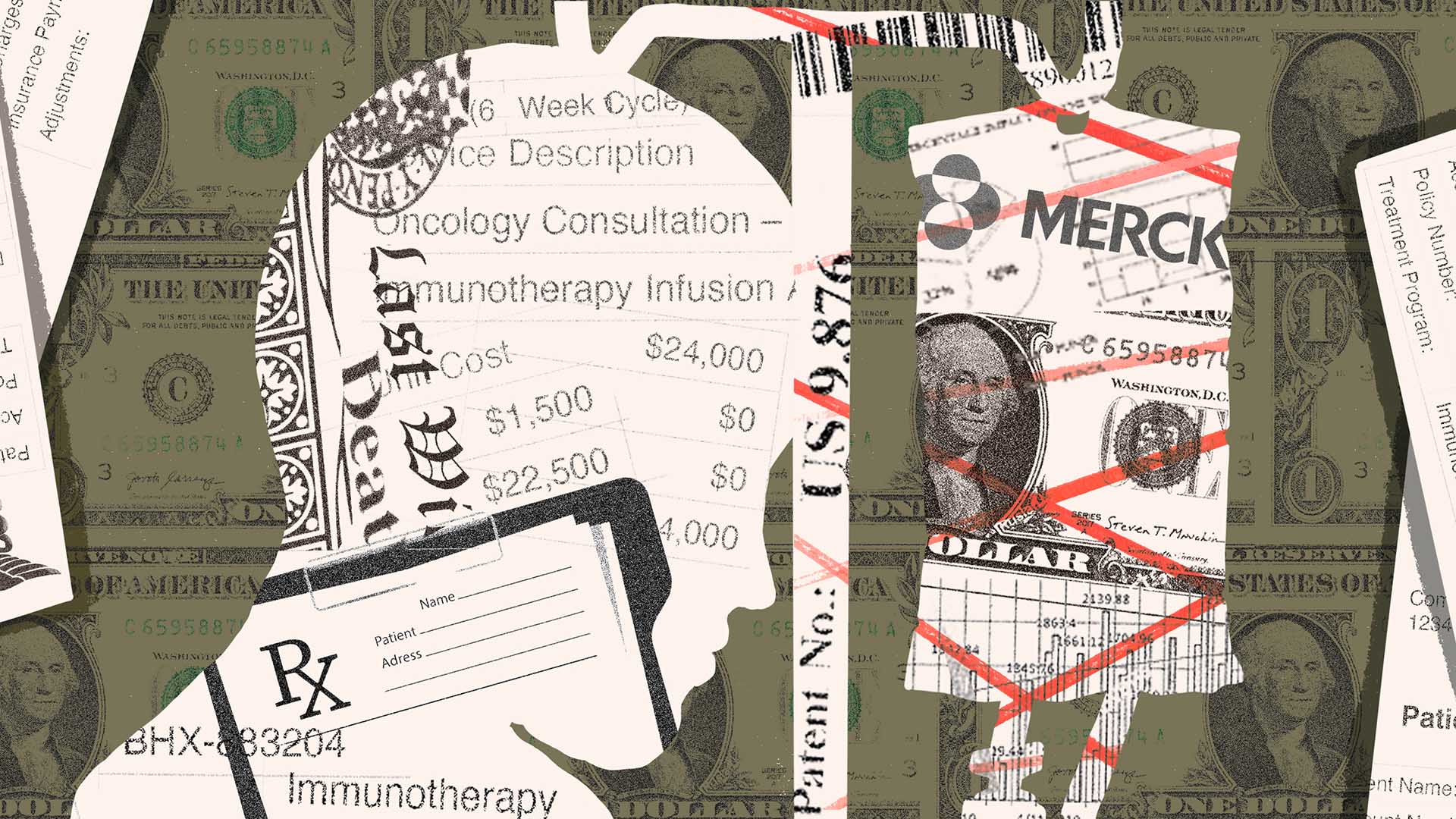
This story is a follow-up to ICIJ’s Cancer Calculus investigation, which documented how Merck & Co. kept the price of its blockbuster cancer drug Keytruda high, straining healthcare systems around the world and delaying cheaper versions of the drug from reaching hundreds of thousands of cancer patients in the coming years.
To examine enforcement actions in the cancer drug industry, ICIJ reviewed criminal and civil cases in 31 countries. ICIJ relied on public information and a variety of datasets collated by the nonprofit accountability groups Public Citizen and Good Jobs First, as well as a collection of global anti-competition cases compiled by Brazilian researcher Pedro Gomes Lacerda and Sao Paulo-based lawyer Luiz A. Azevedo de Almeida Hoffmann.
Among the highlights of this review, in the past decade, authorities in seven countries have accused Roche of misleading doctors about a cancer medicine and colluding with another drugmaker. The company paid $14 million to settle charges in Romania that it thwarted competition to three cancer drugs, including Herceptin. An antitrust case in Belgium and the South Africa case of alleged excessive pricing are underway.
For its part, the drug giant Novartis agreed to pay more than $51 million to the U.S. Justice Department in 2020 to resolve kickback allegations regarding the kidney cancer drug Afinitor and another medicine, and pledged to reform its business practices — the third time it had made that promise.
What these companies are doing … they’re basically paying a fee for the license to break the law. — attorney Reuben Guttman
And Celgene Corp., now controlled by Bristol Myers Squibb, paid $280 million to U.S. and state governments in 2017 to settle allegations that it had improperly promoted the medicines Revlimid and Thalomid to treat multiple myeloma, a blood cancer, and a range of other cancers beyond the uses then approved by the Food and Drug Administration. That was one of the largest settlements ever related to a cancer drug. It was the first for Celgene, but not for Bristol Myers, which acquired Celgene in 2019. And for Bristol Myers, it wouldn’t be the last. The New Jersey manufacturer paid $55 million in a multi-state settlement of anti-competition charges relating to a cancer drug in 2003; in 2024 it paid $2.7 million to settle anti-competition charges in Israel concerning yet another multiple myeloma drug.
“What these companies are doing … they’re basically paying a fee for the license to break the law,” said Reuben Guttman, an attorney for the whistleblower whose disclosures led to the $280 million Revlimid settlement.
Bristol Myers did not respond to requests for comment, but its Celgene unit previously denied wrongdoing. Roche has strongly denied it abused its market dominance and called its practices proper and legal. The company declined to comment on ongoing enforcement matters. Novartis said it is committed to operating with integrity and in compliance with laws and regulations.
In all, ICIJ’s analysis of enforcement actions found that between 2010 and 2025, 12 makers of cancer drugs settled 25 cases with authorities in 10 countries. Eleven of those companies paid fines or made settlements totaling nearly $1.7 billion. The alleged violations ranged from deceptive marketing and kickbacks to illegal tactics to block competition and keep prices high.
These payments and fines to settle allegations of wrongdoing barely dent the companies’ revenues, representing just one-third of 1% of the nearly $696 billion the firms accrued in the years the deals were made.
Reshma Ramachandran, an assistant professor at Yale School of Medicine, has studied kickbacks in the pharmaceutical industry. She said the settlements are “effectively a slap on the wrist that the companies largely ignore.”
“As they amount to just a fraction of their revenues, there’s little incentive for the companies to change behaviors,” she said. “They just account for this as the cost of doing business, regardless of the harms it brings to patients.”
The cancer drug-related settlements reviewed by ICIJ are only a small part of the overall cases these companies resolved. Eleven of the 12 firms accumulated $15.4 billion in total healthcare fines and settlements from 2010 to 2025, according to data gathered by Good Jobs First. The drugmakers posted more than $491 billion in revenues just in their latest fiscal year.
The haze of settlements and fines leaves cancer survivors like Babalwa Malgas of South Africa and Beth Kitchin of Birmingham, Ala., reeling from the consequences.
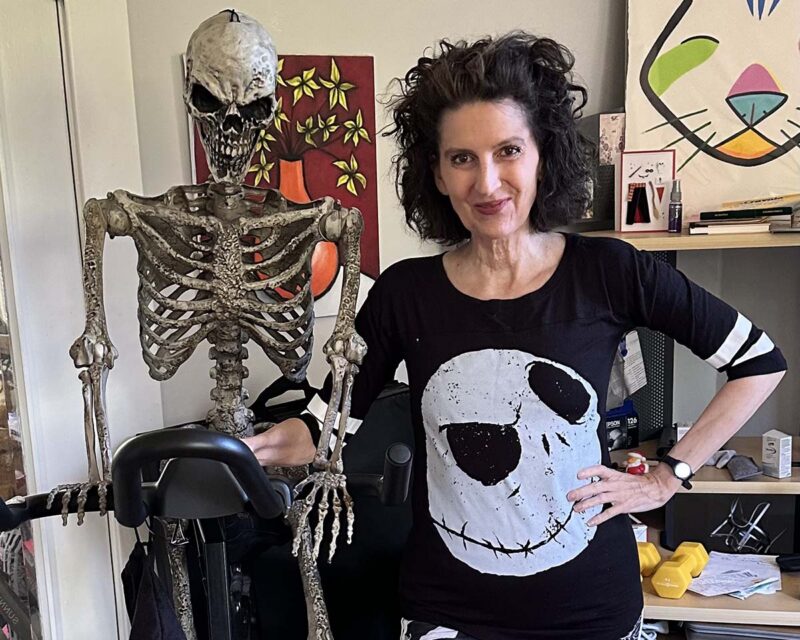
Beth Kitchin was diagnosed with leukemia in 2021. Image: Supplied
Kitchin, 62, a retired professor of nutrition, loved to jog and hike, practiced yoga and was healthy until an MRI in 2021 revealed tumors in her legs that turned out to be a type of leukemia. She received a stem cell transplant, but when it led to a serious side effect — donor cells began attacking healthy cells — her doctors prescribed a costly medicine called Jakafi.
During an interview, she held up a bottle of “teeny, tiny” pills. “That’s like a $300 pill right there,” she said. “It’s a game.” Although her insurance covered most of the cost, Kitchin said she had substantial out-of-pocket expenses.
Incyte Corp., the Delaware-based maker of Jakafi, agreed in 2021 to pay $12.6 million to resolve Justice Department allegations that it paid kickbacks to a charitable foundation to increase prescriptions of Jakafi by covering the copays of patients who were ineligible for the drug. Incyte did not return requests for comment but previously denied wrongdoing. Kitchin said she was unaware that the medicine had been subject to an alleged violation until talking to ICIJ.
With their medical breakthroughs and lifesaving treatments, pharmaceutical companies have brought hope to many. But the frequent rule breaking and illegal conduct show a troubling glimpse of what healthcare has become. As cancer rates climb throughout the world, the giants of an industry poised to save lives have become increasingly, if not untouchable, unstoppable in putting profits before patients.
and criminal fines. Rarely are individual directors or officers held accountable, and no pharmaceutical company in ICIJ’s review appears on several lists of firms barred from government business.
In a few cases, authorities overturned or reduced penalties, or companies paid no fine at all. Merck, for example, avoided a fine in Austria after allegations that the company engaged in anti-competitive behavior relating to a brain cancer drug. Fifteen years earlier, Schering-Plough Corp., which Merck later acquired, pleaded guilty to conspiracy to settle a U.S. case citing the same drug.
Rick Claypool, research director at Public Citizen, a nonprofit watchdog group, said “apparent repeat offenses” by the largest pharmaceutical companies are evidence of weak enforcement. “We see this pattern again and again,” Claypool said. “If corporations don’t face consequences for violating the law — or if the consequences are costs that are easily absorbed — then corporations will prioritize profits over following the law.”
In 2022, a separate ICIJ investigation found that the growing global scale of corporate leniency agreements allowed large companies in virtually all industries to avoid serious punishment for criminal and civil violations. Settlements known in the U.S. as deferred prosecution agreements and non-prosecution agreements often resulted in repeat offenses and rarely involved punishment of senior executives.

https://www.icij.org/investigations/cancer-calculus/merck-keytruda-cancer-drug-price/
Recommended reading OVERVIEW How Merck turned its wonder drug into a blockbuster — and priced out cancer patients worldwide Apr 13, 2026 IMPACT ‘Unacceptable’: Lawmakers react to revelations from ICIJ’s Cancer Calculus investigation Apr 23, 2026 ACCOUNTABILITY As US-style corporate leniency deals for bribery and corruption go global, repeat offenders are on the rise Dec 13, 2022
ut cancer drug allegations comes from whistleblowers, as in several Novartis cases. They file lawsuits under the False Claims Act, which encourages citizens to report fraud and awards them up to 30% of the total funds recovered by the government.
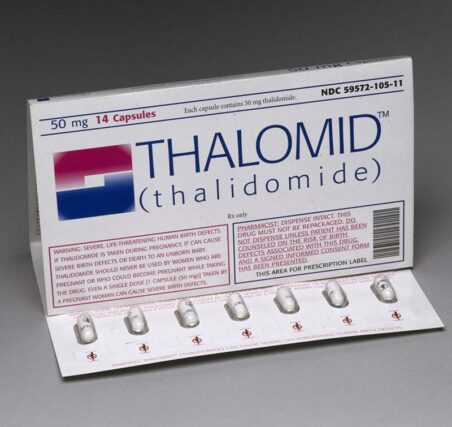
Thalomid, or thalidomide, was one of the drugs at the heart of a $280 million settlement paid by Celgene. Image: Science Museum Group Collection (CC BY-NC-SA 4.0)
In the Celgene case, attorney Guttman and his whistleblower client, Beverly Brown, took on the blockbuster cancer drug Revlimid, now used to treat multiple myeloma. Revlimid is closely related to Thalomid, the brand name for generic thalidomide, which was linked to birth defects nearly 70 years ago. In her court complaint, Brown said managers trained her to promote Revlimid and Thalomid for cancers they weren’t approved to treat — even if they exposed patients to severe side effects, including potentially fatal hemorrhages.
The Justice Department declined to intervene in her case in late 2013, but Brown and her attorneys ultimately won the $280 million settlement: $259 million to be paid to the U.S. government and $20.7 million to state and local governments. Brown received $78 million, according to the law firms representing her.
With annual sales of $8.2 billion in 2017, Revlimid totaled nearly two-thirds of Celgene’s $13 billion in revenue that year, when it reached the settlement.
And it remained a commercial blockbuster for several years as Celgene and Bristol Myers Squibb, after it acquired the company in 2019, repeatedly pushed up the sticker price to about $900 per pill by mid-2024, according to data from Patients for Affordable Drugs, a nonprofit advocacy group. Both companies also struck deals capping the market share of lower-cost generics. All the while Bristol Myers continued to agree to hundreds of millions in payments to settle charges of healthcare wrongdoing.
to prevent patients from buying a generic version of the lung cancer drug Tarceva.
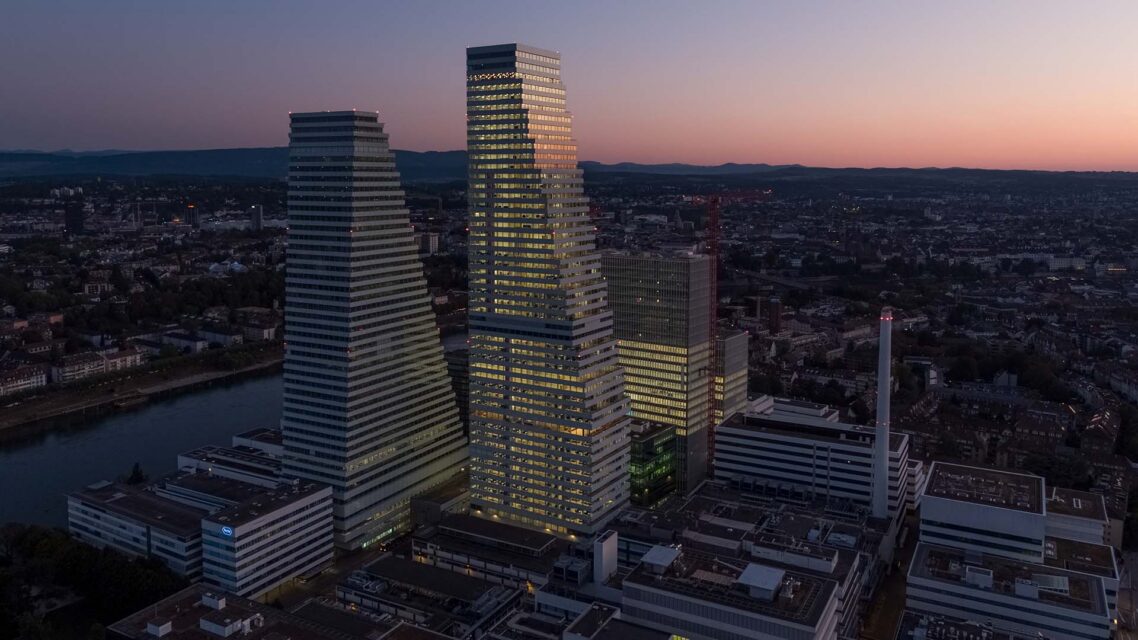
Roche’s headquarters in Basel, Switzerland. Image: Roche
Prosecutors in the U.S. had already signed a deal with a Roche subsidiary and another drugmaker for $67 million to resolve allegations that the Roche company misled doctors about the effectiveness of Tarceva. That settlement was pocket change for the two parent companies, amounting to roughly 0.1% of their $65 billion in revenues in 2016.
Roche repeatedly denied wrongdoing, and a court overturned a Roche cancer drug fine in Uruguay. Currently regulators in Belgium are considering whether the Swiss firm used illegal strategies to delay biosimilar competition to Herceptin and another medicine. In South Africa, the Competition Commission has asked a tribunal to impose a maximum penalty against Roche for “alleged harmful and life-denying pricing conduct.”
As Babalwa Malgas, the activist who fought for lower drug prices, waits for the tribunal’s ruling, she faces possible cancer for a third time. Recently she checked into a hydrotherapy clinic in Johannesburg for a 10-day treatment, including colon cleansing to help ease back pain that radiates down her legs. “I can move with ease, lift my arm and sleep on all sides,” she told ICIJ, adding she feels “much, much better.”
after pleading guilty to a criminal conspiracy to make false statements relating to the same brain cancer drug, known in the U.S. as Temodar. Drug sales representatives allegedly made misleading statements about drug prices and improperly pitched Temodar and another cancer drug, Intron A, for unapproved uses. Schering-Plough agreed to pay $435 million in criminal and civil fines to settle the case.
A Schering-Plough attorney denied that the company ever lied to physicians when it gave them peer-reviewed articles about unapproved uses for the drugs. But U.S. District Judge Patti Saris, noting that several pharmaceutical companies had been fined for illegal marketing, took the entire industry to task. “You cannot thumb your nose at the FDA. … At the end of the day, you can’t market off-label,” Saris said. “It’s wrong.”
At the time, the Schering-Plough settlement was one of the Justice Department’s larger healthcare agreements — and the third multimillion-dollar government settlement in five years for Schering-Plough.
Five years later, Merck pleaded guilty to a criminal misdemeanor charge for unlawfully promoting the arthritis painkiller Vioxx while agreeing to resolve civil allegations of making misleading statements. Merck pulled the drug off the market in 2004 after scientists linked it to an increased chance of heart attacks and strokes. Merck paid $950 million to settle the criminal and civil allegations — tacked on to a $4.85 billion payout earlier to resolve thousands of private personal injury lawsuits related to Vioxx.
Merck’s New Jersey headquarters. Image: Spencer Platt/Getty Images
Merck declined to comment for this story. The company has also been the target of public and media scrutiny in the U.S., Austria, India and other countries because of the high pricing and market dominance of Keytruda, the world’s bestselling drug. Politicians and journalists escalated an effort in Austria to get healthcare officials to explain how the prices of Keytruda are determined.
In June, U.S. Sen. Maggie Hassan, D-N.H., wrote to Merck CEO Rob Davis seeking information about how Keytruda’s dense web of overlapping patents — more than 1,200 applications across 53 countries, regions and territories — could artificially inflate prices past the original 2028 patent expiration date. Hassan’s letter cited ICIJ’s Cancer Calculus investigation.
So where does the money go if a pharmaceutical company has to pay to settle allegations of wrongdoing? It can be hard to track, but usually the funds go to government treasuries, including states and counties in the U.S., depending on the type of settlement deal, and public health programs, harmed communities, whistleblowers and lawyers. But, wondered Rebecca Hall, the cancer survivor from California, “Can you imagine if all of the settlement money had been put into a fund that was to benefit patients who couldn’t afford their medications? That would change the game.”
Contributors: Jiyoon Kim (Newstapa/KCIJ); Stefan Melichar (profil); Guillermo Draper (Búsqueda); Anonna Duff (Indian Express); Micah Reddy, Delphine Reuter, David Rowell, Richard H.P. Sia, Pierre Romera Zhang (ICIJ)