Fiji has been granted a one-year reprieve from a potential downgrade that could lead to U.S. aid cuts, amid concerns over its efforts to combat human trafficking, including its response to the Korean doomsday sect the Grace Road Group, according to a U.S. State Department report released last week.
This year’s Trafficking in Persons (TIP) report kept Fiji on its “Tier 2 Watchlist” of countries that do not fully meet the State Department’s minimum standards for combating human trafficking, noting that the Pacific island nation had failed to secure a trafficking conviction for three years running.
“Official complicity and corruption undermined anti-trafficking efforts and allowed traffickers to operate with impunity” in Fiji, the Oct. 8 report found.
However, the State Department granted Fiji a one-year waiver sparing it from being automatically downgraded to Tier 3, a designation that would have put it alongside countries including Iran and Afghanistan and could result in restrictions on U.S. non-humanitarian assistance.
Fiji, a country of just under a million people, has been on the Tier 2 Watchlist since 2024, but last year’s TIP report was the first to single out Grace Road.
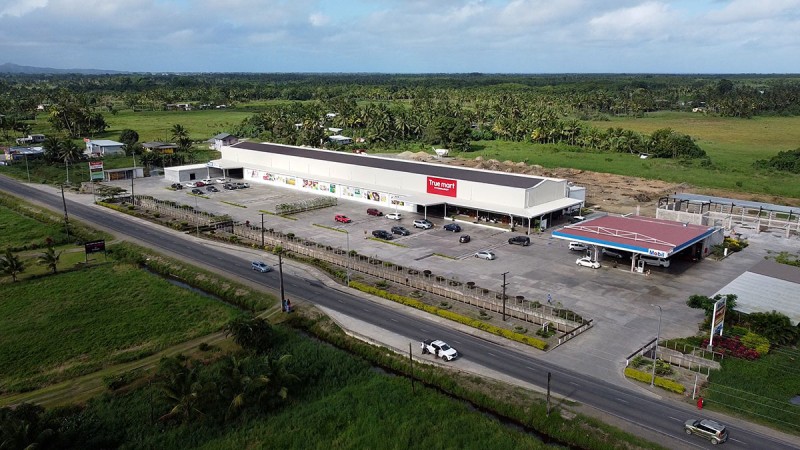
Previous OCCRP reporting has revealed how Grace Road has become one of Fiji’s largest conglomerates, with businesses including supermarkets, beauty salons, and restaurants. The group has built ties with members of the country’s elite, despite consistent allegations that members are beaten and subjected to slave-like work conditions. The group’s leader, Shin Ok-joo, is currently imprisoned in Korea and other leading group members in Fiji are wanted by Korean law enforcement.
“Foreign nationals, including from the Republic of Korea and the United States, who are members of a religious organization, the Grace Road Group, experience conditions indicative of human trafficking,” this year’s TIP report said. “Victims associated with the organization have reported being forced to work excessive hours with no rest days, physical violence, passport confiscation, extortion, and unpaid wages.”
While the report said that Fijian police continue to investigate trafficking allegations involving members of the Grace Road Group, it also said that the government “continued to inadequately respond to INTERPOL red notices for leaders of the organization associated with related allegations, leading to further concerns of official complicity.”
“Despite public reporting on suspected forced labor in this organization since at least 2018, the government has never prosecuted or convicted any offenders associated with the allegations,” the report said.
Earlier this year, two American women who escaped Grace Road told OCCRP that they were ready to return to Fiji to testify against the group.
Grace Road Group denied the allegations in the TIP report, saying in a statement that they were “not findings by any Fiji court and should not be reported as established facts.”
“Grace Road Group’s businesses in Fiji are lawful commercial operations,” it said.
The TIP report also noted other alleged trafficking operations in Fiji.
“Traffickers exploit foreign victims, including from Thailand and China, as well as Fijian women and children in sex trafficking, using commercial sex establishments, hotels, private homes, massage parlors, websites and cell phone applications to facilitate the exploitation of sex trafficking victims,” it said.
A nation on the Watchlist that has failed to improve after two years normally would be relegated to Tier 3. However, Fiji was given a one-time waiver because it had “devoted sufficient resources to a written plan that, if implemented, would constitute significant efforts to meet the minimum standards, the report said.
The waiver gives Fiji until next year to make clear progress or be downgraded.